
Pelikioski offers a handpicked selection of hundreds of movies, from classic Finnish gems to the latest international blockbusters. Whether you're into arthouse, documentaries, or family-friendly animations, the catalog is constantly refreshed—no filler, just quality titles you actually want to watch.
Forget subscription fatigue. With Pelikioski you pay only for what you watch: rent a movie for 48 hours or buy it for permanent access. No hidden costs, no recurring charges. Perfect for occasional viewers who want freedom and transparency in their entertainment spending.
Pelikioski is built for seamless viewing across smart TVs, tablets, phones, and browsers. Start a film on your living room screen, pause it, and pick up exactly where you left off on your laptop during a commute. No app installation juggling—just instant, smooth playback adapted to your connection.
Browse the full range of available courses on Pelikioski. Each title includes a short description, target level, and estimated duration. Use the filtering options by language pair or difficulty to narrow down your options. The interface is clean and responsive, making it easy to scroll through categories like business terminology, travel phrases, or academic writing. Click on any course card to preview sample lessons and see a detailed syllabus before committing to a study plan.
After exploring, pick the course that matches your goals. Pelikioski offers both structured lesson sequences and topic‑based modules. For example, choose “Everyday Conversations” if you focus on speaking fluency, or “Grammar Foundations” for systematic practice. The platform also allows you to set a daily reminder and choose between text‑based exercises, audio dialogues, and interactive quizzes. Your selection is saved under your account dashboard, accessible on any device.
Once you have selected your path, begin with the first lesson. Each session presents vocabulary with native pronunciation, followed by contextual exercises that reinforce retention. Track your progress with the built‑in statistics showing words learned, accuracy rates, and time spent. Pelikioski also includes spaced‑repetition review prompts to solidify long‑term memory. Simply press “Start Lesson” and follow the on‑screen prompts; the system adapts to your pace and flags weak areas for extra practice.
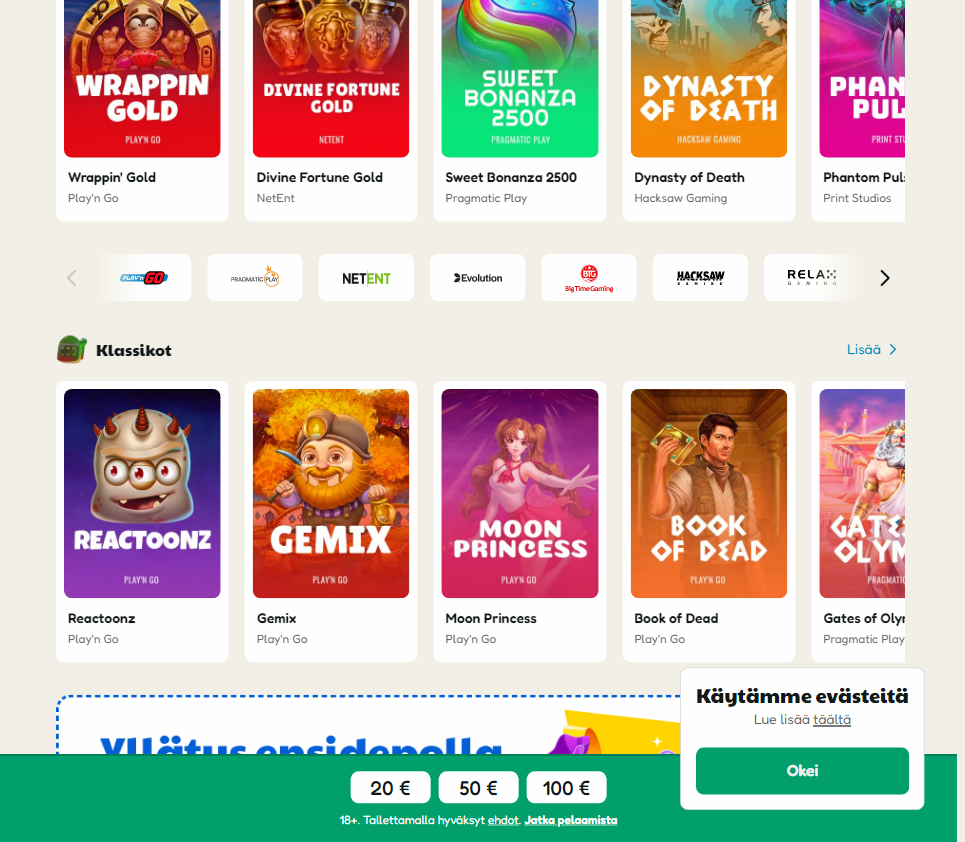
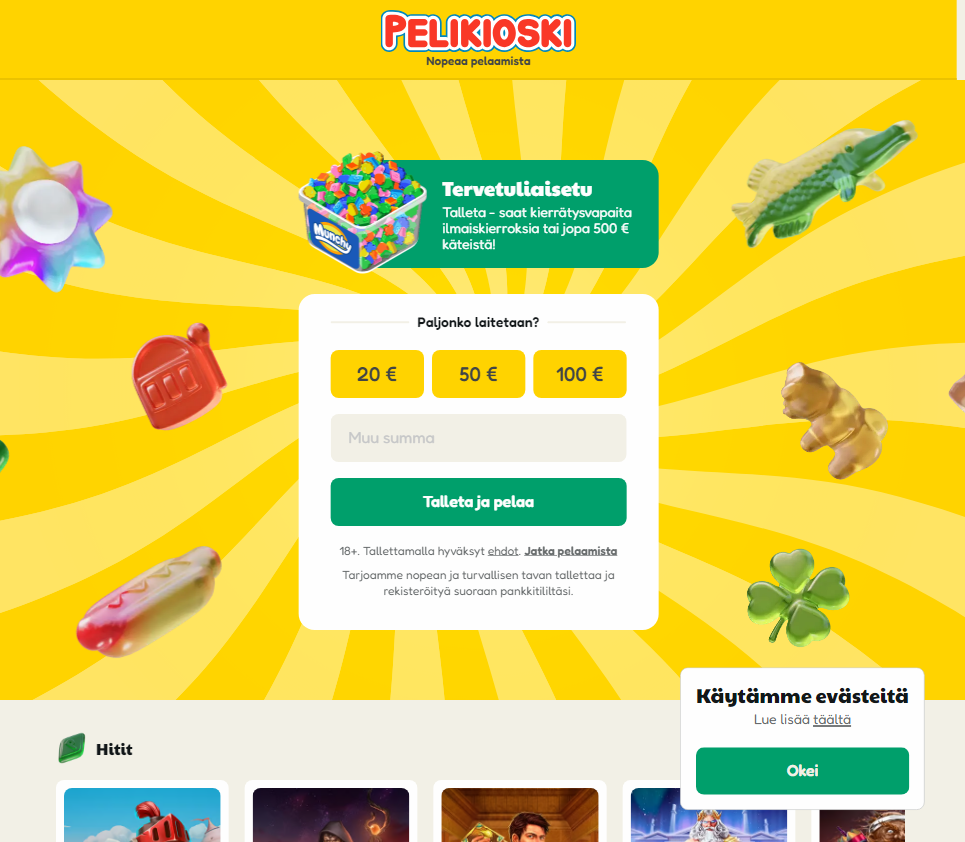
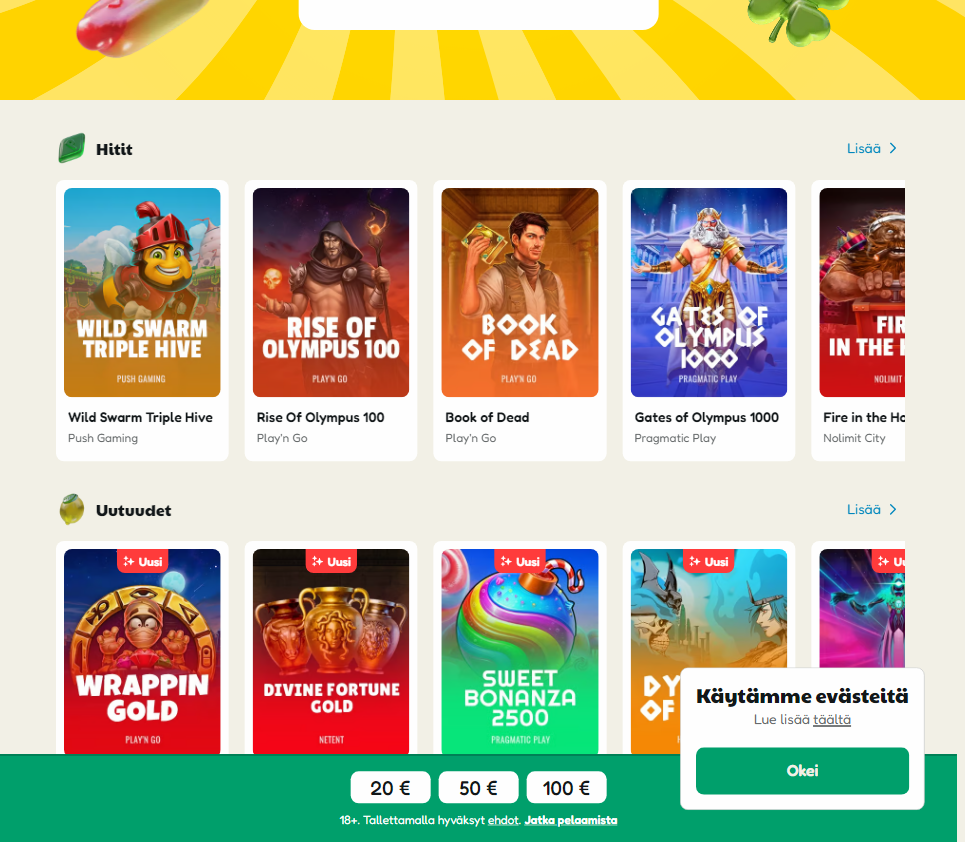
Discover hundreds of slots, daily promotions and live casino tables at Pelikioski. Fast payouts, mobile-ready play and big jackpots await.
What exactly is Pelikioski?
Pelikioski is a boutique editorial and translation service based in Greece, specialising in multilingual content creation, proofreading, and linguistic consultancy. The company works with a network of native-level editors and translators across dozens of languages, from major European tongues like English, French, and German to less widely spoken ones such as Finnish, Estonian, and Maltese. What sets them apart is their insistence on treating each language as a cultural system rather than a simple word‑for‑word substitution — every project is approached with the same nuance a local writer would bring.
Who runs the operation and what’s their background?
The founder is a Greek linguist with over fifteen years of experience in publishing and international communications. Having lived and worked in London, Berlin, and New York, she built Pelikioski on the principle that a translator must be a writer first, not a mere code‑switcher. The team includes former journalists, academic editors, and advertising copywriters, all vetted through a rigorous process that tests both language fluency and subject‑matter expertise. They deal with anything from legal documents to marketing copy, and they pride themselves on meeting tight deadlines without cutting corners on cultural accuracy.
Which languages does Pelikioski cover most frequently?
English, Greek, German, French, Italian, Spanish, and Russian are the core languages, but the service extends to over thirty‑five others on demand. For example, they regularly handle projects requiring simultaneous translation into Swedish, Dutch, Polish, and Turkish. When an uncommon language pair is requested — say Icelandic into Korean — they source a specialist with the right regional knowledge rather than forcing a generic translator to approximate. This flexibility is made possible by their distributed network of freelancers and a central coordination team that manages quality control across time zones.
What types of projects do they typically accept?
The portfolio spans corporate documentation (annual reports, product manuals), academic papers (journal articles, theses), creative writing (book manuscripts, song lyrics), and digital content (websites, app strings, social media posts). A notable niche is audiovisual translation: they provide subtitles and dubbing scripts for documentaries and independent films, paying close attention to timing and lip‑sync issues. They also offer localisation of e‑commerce platforms, ensuring that currency formats, date conventions, and idiomatic expressions feel native to each target market.
How does the quality control process work?
Every assignment passes through a three‑stage pipeline. First, a subject‑matter specialist performs the initial translation or edit. Second, a second linguist reviews the work for accuracy, style, and consistency. Finally, a project manager does a low‑level check on formatting, terminology compliance, and client‑specific guidelines. For sensitive material like legal contracts or medical content, they add a fourth layer: a specialist with domain credentials who verifies technical terms. Clients receive a detailed revision log so they can see exactly what changed and why.
What turnaround times can a client expect?
Standard timelines range from three to seven business days for documents under five thousand words, though they offer an express service for urgent jobs — sometimes completing a two‑thousand‑word translation within twenty‑four hours, depending on language rarity and staff availability. Rush orders carry a surcharge but are handled with the same editorial rigour. For larger projects, such as localising an entire website, they break the work into milestones, delivering sections incrementally so the client can start implementing changes without waiting for the full package.
How are rates calculated, and what payment methods are accepted?
Pricing depends on language pair, text complexity, formatting requirements, and deadline. A standard English‑to‑German translation of a straightforward marketing brochure might cost around €0.12 per word, while a niche technical document in a rare language pair could go up to €0.35. They charge per word for translations and per hour for editing and consulting work, with a minimum fee of €50. Payment is handled through bank transfer, PayPal, or credit card, and they issue VAT invoices for business clients within the EU. A free sample of up to three hundred words can be requested to gauge quality before committing to a full order.
Do they offer confidentiality agreements for sensitive materials?
Yes, Pelikioski signs non‑disclosure agreements (NDAs) automatically as part of the project terms. All files are stored on encrypted servers, and team members access materials only through role‑based permissions. For particularly sensitive content — such as patent applications or unpublished manuscripts — they can arrange a separate, more granular data‑handling protocol. The company is also GDPR‑compliant, meaning any personal data included in the source files is deleted from their systems thirty days after project delivery, unless the client requests a longer retention period for future revisions.
How does one submit a project and communicate with the team?
Clients fill out a brief form on the Pelikioski website, describing the source and target languages, the text type, the desired deadline, and any special instructions. Alternatively, they can send a direct email to the address listed on the contact page. After an initial quotation is accepted, the client receives a secure upload link for the files. All communication throughout the project runs through a dedicated thread — either email or a private messaging board — so that both sides have a clear record of requests, queries, and approvals. The team usually responds within two hours during business days, and they provide status updates at every milestone without being prompted.
What if a client is unsatisfied with the delivered work?
Pelikioski offers two rounds of free revision for any project that does not meet the agreed‑upon brief. If the issue stems from a factual error or a mistranslation that falls outside stylistic preference, they fix it immediately. For cases where the client’s feedback involves a significant change in the original scope — for instance, shifting from formal to colloquial tone — a supplementary quote is provided before work continues. In rare instances of a dispute, the company has an internal escalation process where a senior editor reviews the entire exchange and proposes a resolution, typically within forty‑eight hours.
Does Pelikioski handle ongoing or retainer‑based relationships?
Absolutely. Many clients — especially e‑commerce brands, law firms, and academic publishers — set up monthly or quarterly retainers that guarantee a certain volume of work at a reduced per‑word rate. Retainer agreements also secure priority scheduling and a dedicated account manager who becomes familiar with the client’s terminology and style. For large‑scale localisation projects, like translating a news platform into ten languages, Pelikioski can assemble a permanent team that works on the content as it is published, ensuring that each language version goes live at the same time as the original.
How do they stay current with modern translation tools and trends?
The in‑house team uses a blend of computer‑assisted translation (CAT) software — mainly Trados Studio and memoQ — alongside custom glossaries and translation memories that build up over repeated projects. They also leverage neural machine translation engines for first‑pass drafts of very high‑volume, low‑complexity text, but every machine output is post‑edited by a human linguist to catch context‑dependent errors. Additionally, they run quarterly workshops covering topics like localisation of AI‑generated content and adaptation of inclusive language, ensuring that their editors are always aware of evolving linguistic norms.
Can individuals or small businesses afford their services, or is it only for corporations?
Pelikioski works with clients of all sizes. Independent authors, startup founders, and freelance designers make up about a third of their clientele. For smaller budgets, they offer a “light edit” tier that focuses only on grammar, spelling, and punctuation without restructuring the prose, which keeps costs down. They also run occasional discounts for first‑time customers and for projects involving languages that the company wants to expand in their portfolio — for example, they recently offered a reduced rate for translations into Catalan and Basque. The goal is to be accessible without compromising on quality, so they encourage anyone with a realistic project to request a quote.
 English
 Français
 Deutsch
 Español
 Italiano
 Português